Sustainable Sailing in the Caribbean: Choosing Wind Power Over Engine Power
Geplaatst op 22-10-2026
Categorie: Reizen en recreatie
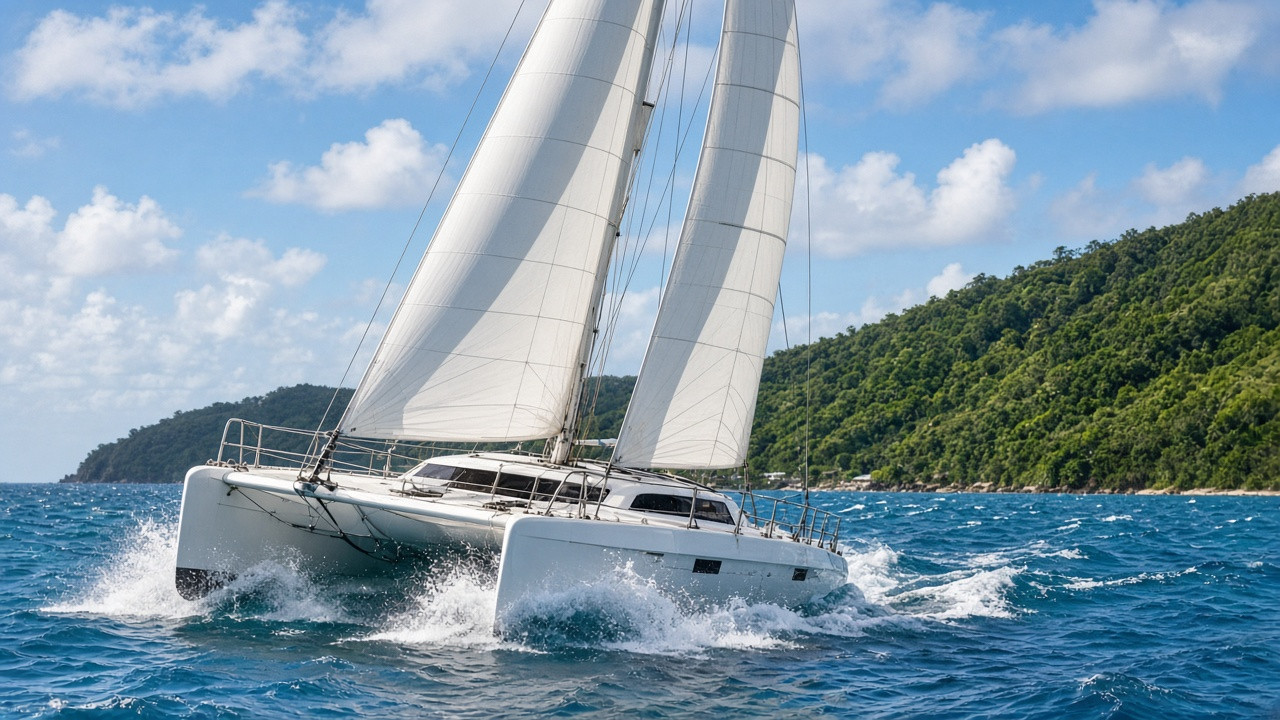
The Caribbean owes almost everything to the sea. Its beaches, reefs, fisheries and tourism all depend on clean water and healthy marine life. Yet the boats that carry visitors out to enjoy those waters can also put pressure on them, through fuel use, noise, pollution and careless anchoring. As more travellers ask how their holidays affect the places they visit, one simple question is gaining attention: should a day on the water be powered by the wind or by an engine?
This article looks at sustainable sailing in the Caribbean, with a focus on St. Maarten, and explains why choosing a sailing boat over a motor boat is one of the easiest green decisions you can make on holiday.
The hidden footprint of a day on the water
When people think about the environmental cost of travel, they usually think of flights. That makes sense, but the activities you choose at your destination matter too. A powerful motor yacht or power catamaran can burn a striking amount of fuel in a single outing, especially when it travels at speed between islands. Multiply that by dozens of boats leaving popular harbours every day during the busy season, and the total adds up quickly.
Fuel consumption is not the only issue. Engines produce exhaust fumes, noise that carries across quiet bays and, occasionally, small spills of oil or fuel. Wakes from fast boats can disturb swimmers, wildlife and shorelines. None of this means motor boats are bad, but it does mean that the type of boat you choose has a real impact.
Why wind power makes such a difference
A sailing boat uses the wind as its main source of power. Engines are still on board for leaving and entering harbour, for manoeuvring near the anchorage and for calm spells, but much of the day is spent under sail with the motor switched off.
The difference in fuel use can be dramatic. One charter operator on St. Maarten that deliberately chose sail catamarans for sustainability reasons explains that its boats use about 4 liters of gasoline per hour, compared with around 80 liters per hour for an average power catamaran. Even allowing for differences in routes and conditions, the gap is enormous. For travellers looking for a day charter st maarten with a lighter footprint, those figures make a sailing catamaran an obvious choice.
There is also something less measurable: the experience itself. When the engine goes quiet and the sails fill, the boat moves with the rhythm of the sea. You hear the water along the hulls, the creak of the rigging and the wind. Many guests find that this calm, natural pace is exactly what they came to the Caribbean for.
The trade winds: a natural engine
The Caribbean is blessed with reliable trade winds. For much of the year, steady breezes blow from the east, which is one reason the region has been a sailing destination for centuries. These winds keep the air comfortable even on hot days and provide a free, clean and renewable source of power for anyone with a sail.
Of course, conditions vary. Some days are breezier than others, and seasonal patterns change the character of the weather throughout the year. Hurricane season brings its own considerations, and local crews always keep a close eye on forecasts. On calm days, a sailing boat may need its engine for longer, but even then a sailing catamaran tends to be far more economical than a boat designed purely for speed.
Why catamarans suit sustainable sailing
Sailing catamarans combine the efficiency of sail power with the comfort many holidaymakers want. They are stable, spacious and steady at anchor, which makes them ideal for day charters with families and groups. Their two slim hulls slice through the water with relatively little resistance, so a moderate breeze is enough to keep them moving pleasantly.
Catamarans also tend to have a shallow draft. This allows crews to anchor in sandy areas rather than on fragile coral, provided they know the local waters and take care. Responsible anchoring is a crucial part of sustainable boating, because a single anchor dragged across a reef can cause damage that takes many years to recover.
How St. Maarten fits in
St. Maarten is an excellent place to experience sustainable sailing. The island is shared by French Saint-Martin and Dutch Sint Maarten, and its waters connect easily to neighbouring islands. Anguilla lies just to the north, and St. Barth lies to the southeast. On a breezy day, a sailing catamaran can reach these islands mostly under sail, turning the crossing itself into one of the highlights of the trip.
Private catamaran charters from Philipsburg, for example from Bobby's Marina, offer several formats, including a private half day, a full day, a sunset cruise or a shared charter, with overnight trips and week charters available on request. Choosing a shared charter is another way to reduce your footprint per person, since more guests share the same trip. If you visit a neighbouring island, remember to check the current official passport and entry requirements before you go.
Small habits that make a big difference
The boat is only part of the story. Guests can also help protect the waters they come to enjoy. A few simple habits go a long way:
- Use reef-friendly sunscreen and apply it well before swimming so less washes off into the sea.
- Never stand on, touch or collect coral, shells or marine creatures while snorkeling.
- Bring a reusable water bottle and avoid single-use plastics where possible.
- Keep hats, wrappers and other loose items secured so nothing blows overboard.
- Follow the crew's instructions about where to swim and how to enter and exit the water.
- Choose experiences that respect marine protected areas and local regulations.
These habits cost nothing, but together they help keep Caribbean reefs and beaches healthy for the people who live there and for future visitors.
Comfort without compromise
Some travellers worry that choosing a greener option means giving up comfort. On a sailing catamaran, that is rarely the case. Guests can still enjoy an open bar, snacks and plenty of water toys, such as snorkeling gear, paddleboards and floating mats. Paddleboards in particular are a lovely low-impact way to explore a bay quietly, and snorkeling lets you appreciate exactly why the marine environment is worth protecting.
A professional crew takes care of the sailing, the navigation and the safety, so you can simply relax. In many ways, the quieter and calmer atmosphere of a sailing boat makes the experience more luxurious, not less.
Asking the right questions before you book
If sustainability matters to you, it is worth asking a few questions when you compare operators:
- Is the boat a sailing vessel, and how much of the trip is usually spent under sail?
- How does the crew decide where to anchor, and do they avoid coral and seagrass?
- What is done to reduce plastic waste on board?
- Can the crew share information about local marine life and conservation?
Good operators are usually happy to answer, and their responses will tell you a lot about their approach.
Sailing into a greener future
Sustainable travel is not about perfection. It is about making better choices where you can. Choosing wind power over engine power for a day on the water is one of the simplest and most enjoyable of those choices. You still get the turquoise water, the beaches, the snorkeling and the sense of freedom that make the Caribbean so special, but with far less fuel burned along the way.
Next time you plan a day out on St. Maarten or anywhere in the Caribbean, let the trade winds do the work. The sea will be quieter, the experience more authentic and the footprint of your holiday a little lighter.